Navigation
UX Researcher with design fluency · behavioral science-driven UX for health, accessibility & behavior-change products

Research that
thinks before
design speaks.

I find the why before anyone touches a wireframe.
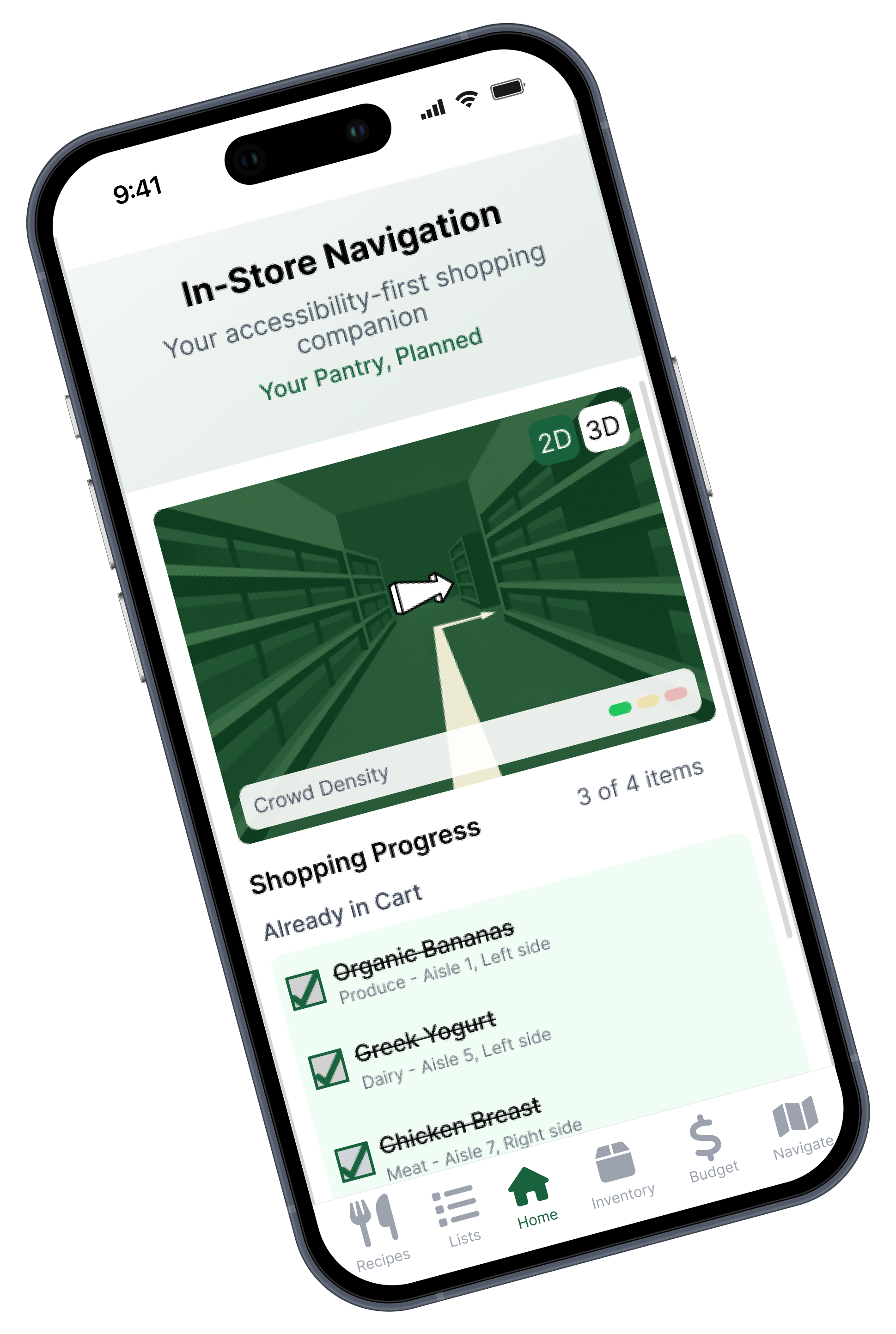
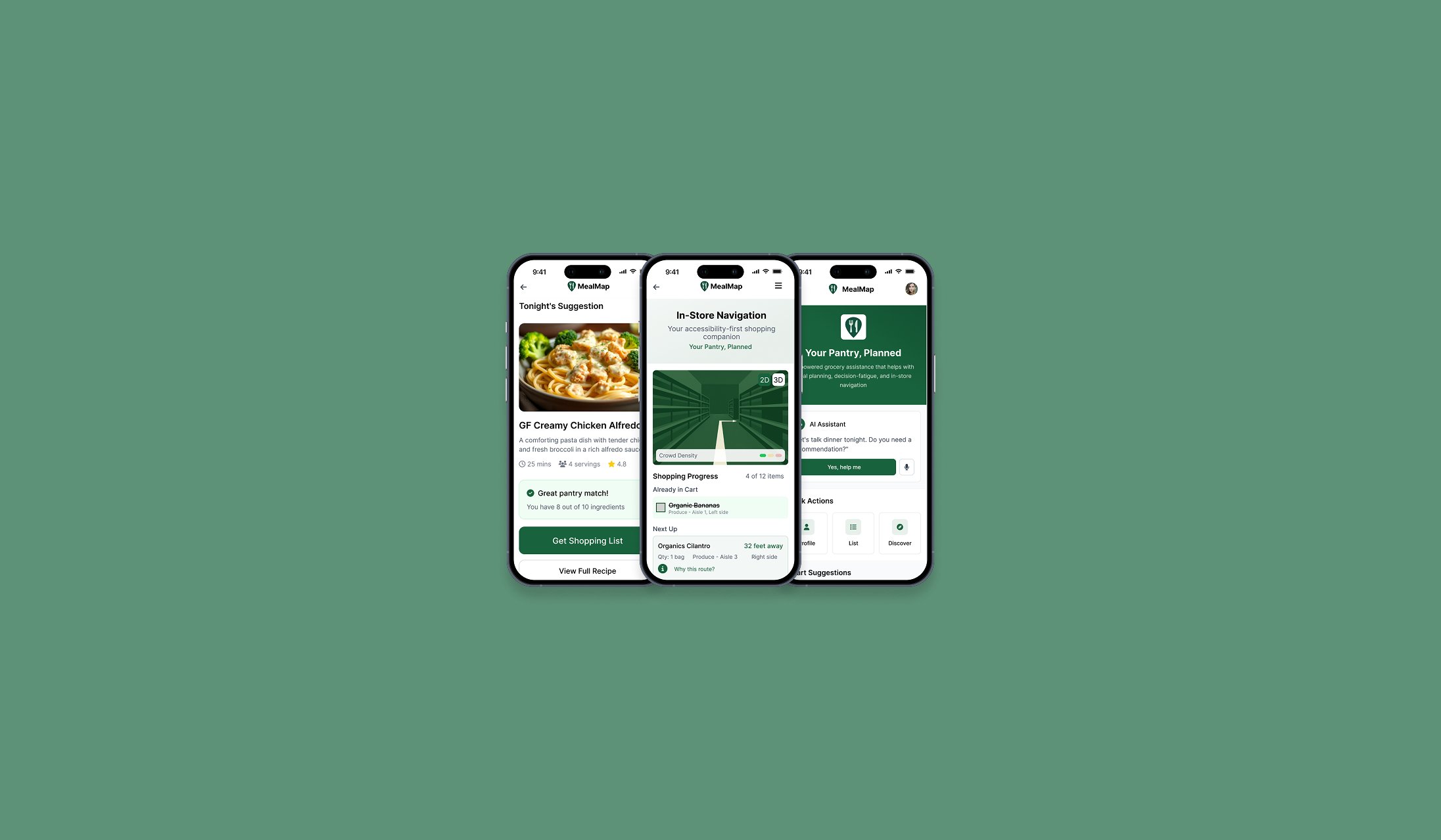
MealMap in-store navigation mockup app screen
MealMap An AI grocery assistant that connects meal planning, in-store navigation, and nutrition decisions.
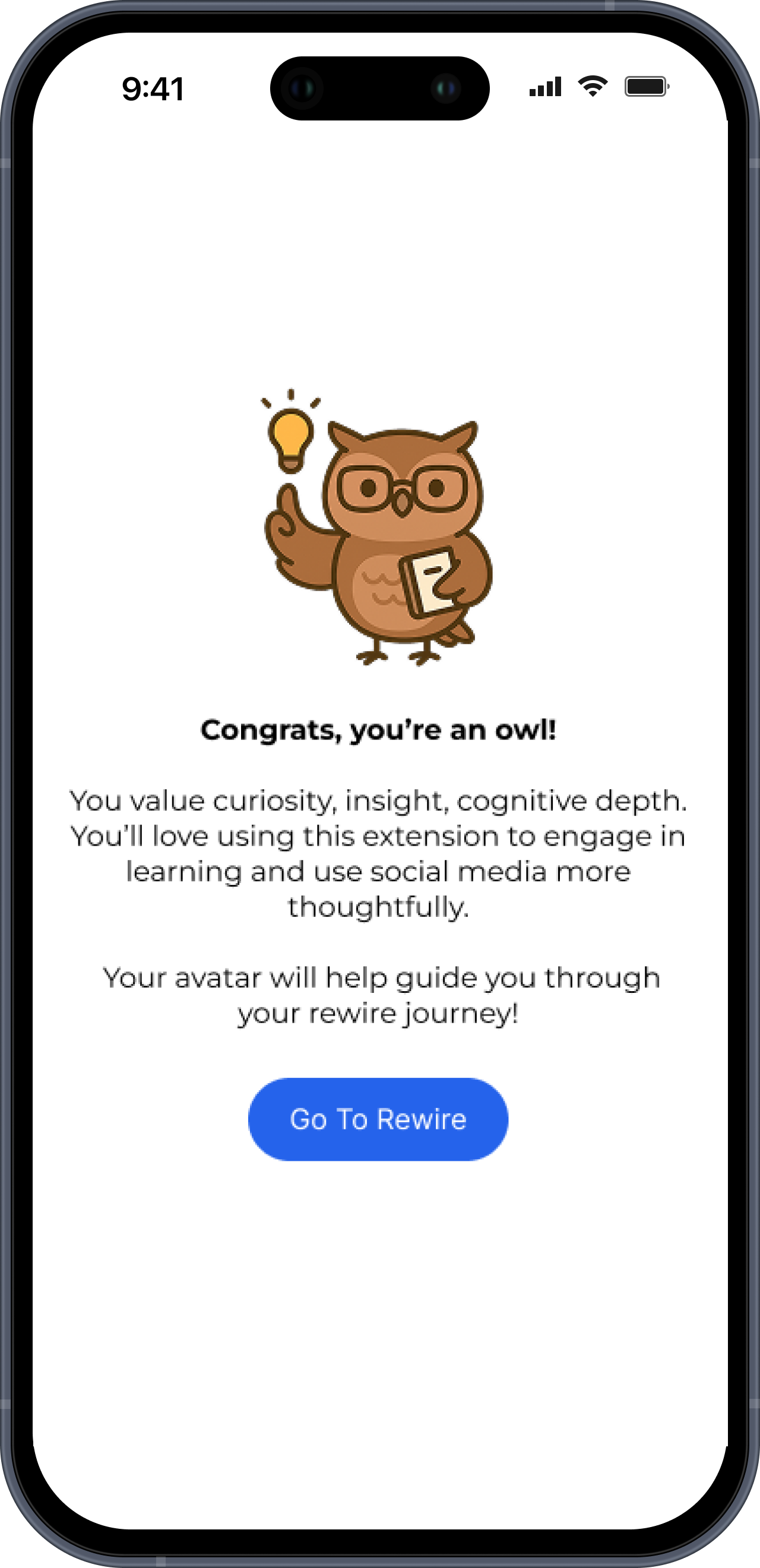
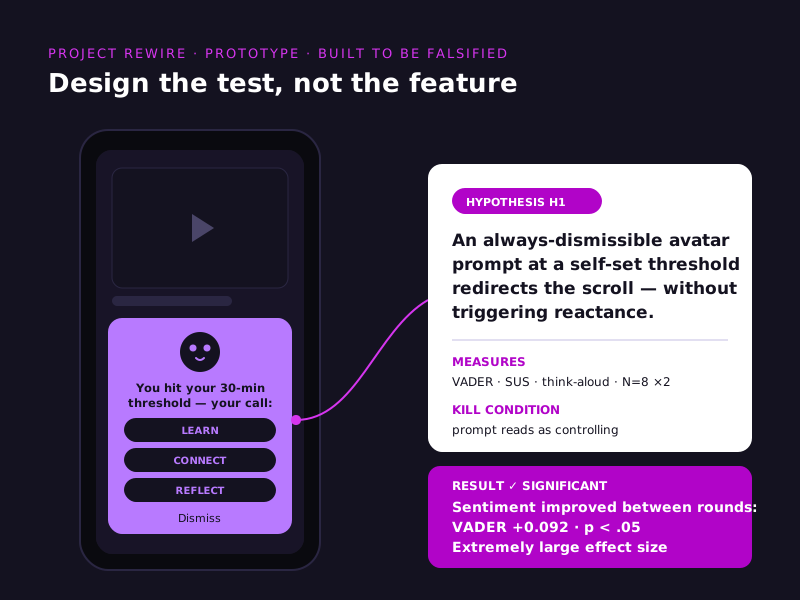
Project Rewire avatar assignment mockup app screen
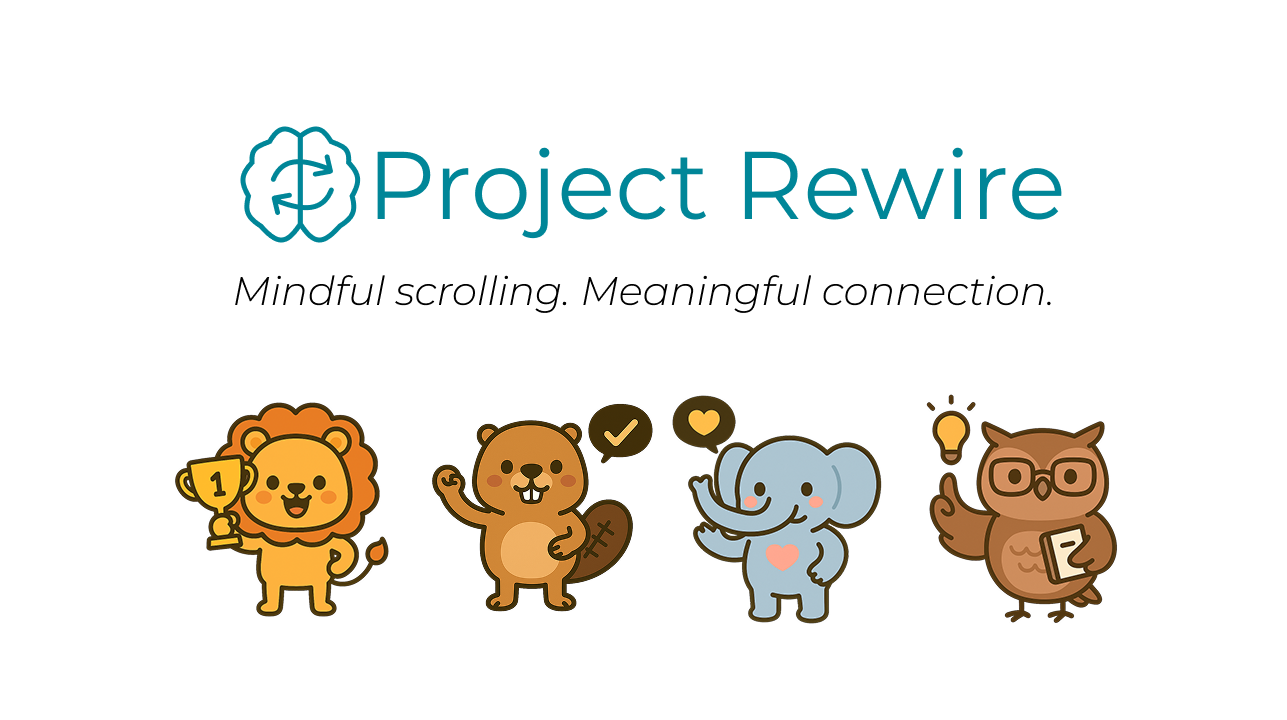
Project Rewire A behavior-change concept that helps users interrupt passive scrolling and return to intentional use.
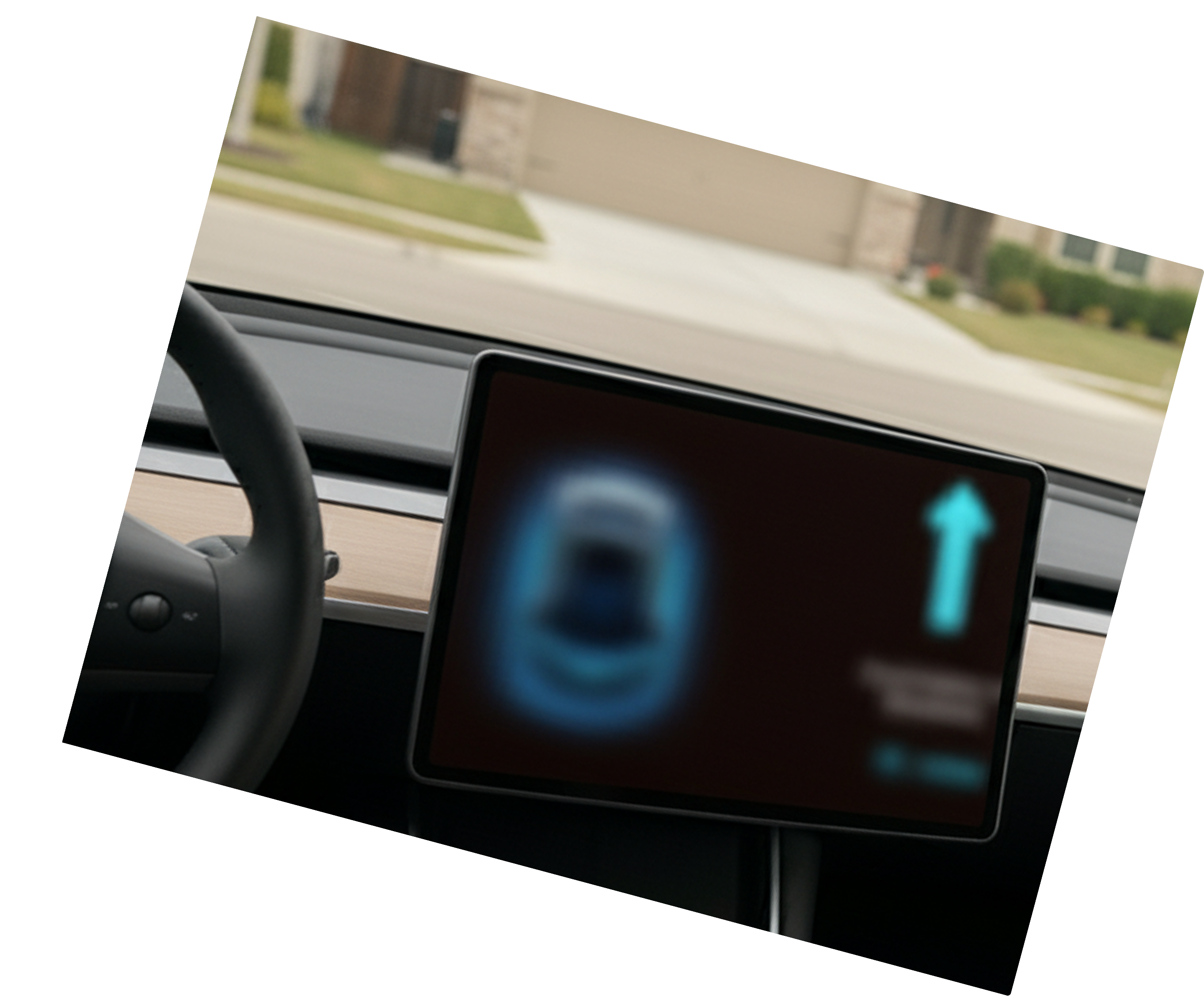
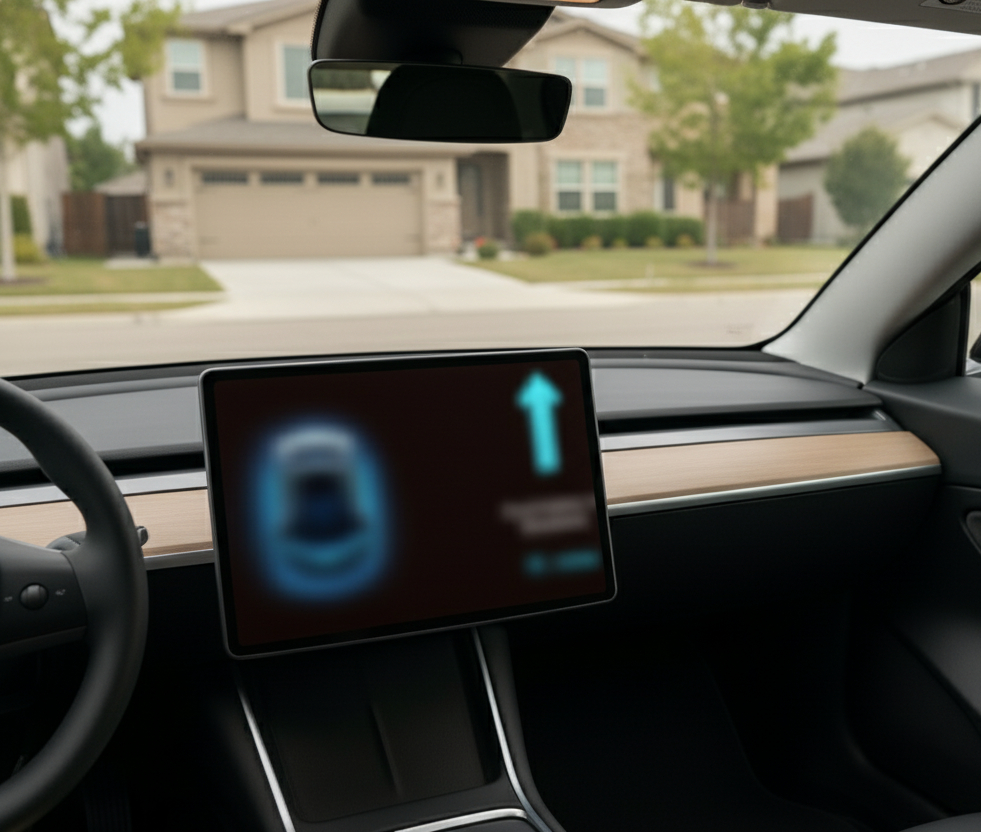
Mockup of autonomous rideshare interface at 20/200 visual impairment level
Autonomous Rideshare An accessible HMI study focused on trust, safety, and orientation for blind and low-vision riders.

Published, peer-reviewed UX research · SAGE Publications, 2025 · Cited human-machine interface research on multimodal accessibility for autonomous vehicles

Read the publication →

Four Case Studies. One way of thinking.

View all work →
MealMap app screen mockups
Food & Nutrition Mobile AI
MealMap
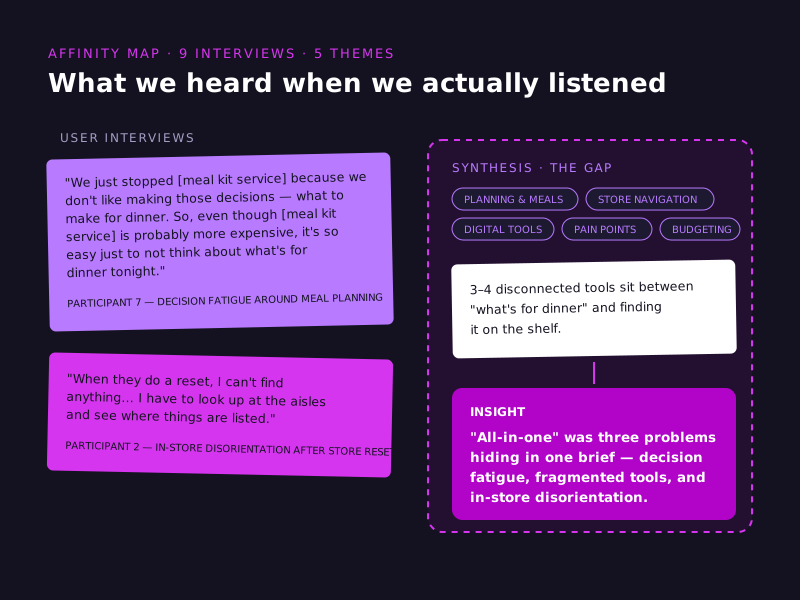
Turned a fragmented brief into one coherent shopping flow. Validated across 9 interviews and 11 think-aloud sessions.
UX Research · Product Design Read case study →
Autonomous Rideshare concept visual from a visually impaired perspective
Mobility Trust & Safety Emerging Tech
Autonomous Rideshare
Peer-reviewed and published by SAGE (2025). A between-subjects study of trust and orientation for blind and low-vision riders.
HMI Design · Research Read case study →
Project Rewire thumbnail displaying the possible avatars
Mental Health Behavior Design B2C
Project Rewire
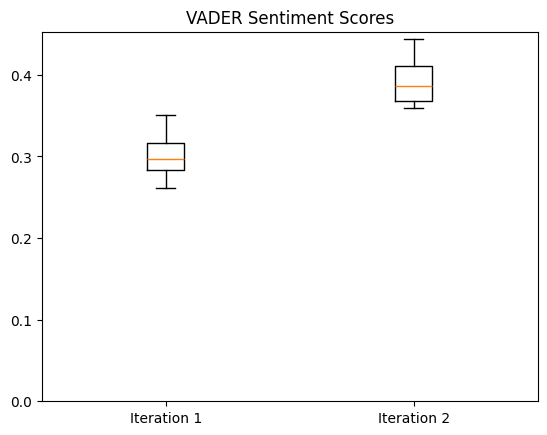
Participant sentiment shifted significantly between iterations. An evidence-based intervention design, honest results like null values included.
Service Design · Prototyping Read case study →
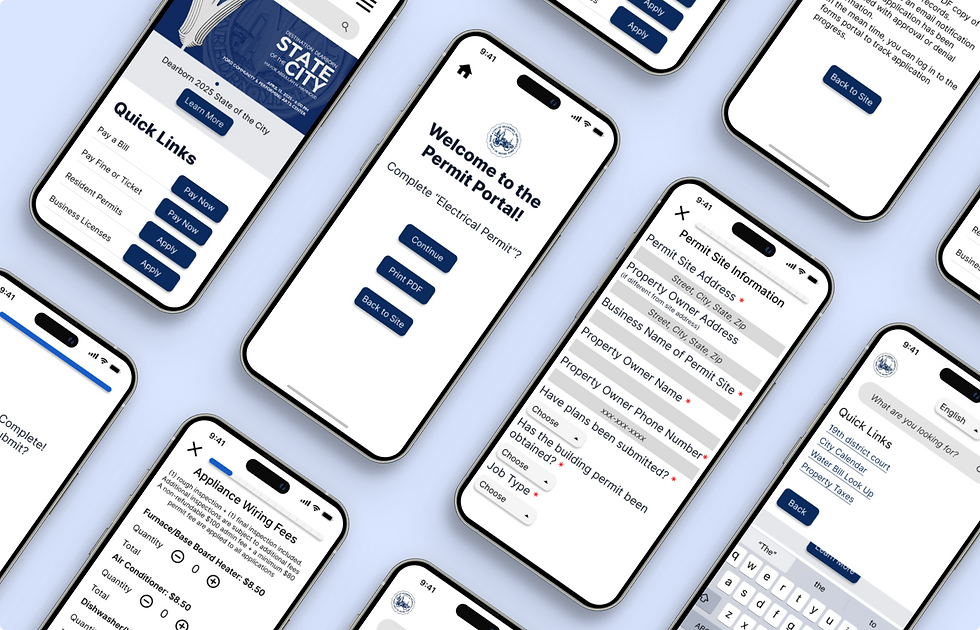
City of Dearborn permit and form redesign mockups
Civic UX Government Usability Testing
City of Dearborn
Rebuilt a city permit and form flow around how residents actually navigate it.
UX Research · Civic UX Read case study →
My Process
How I actually work.
01
Start with the science
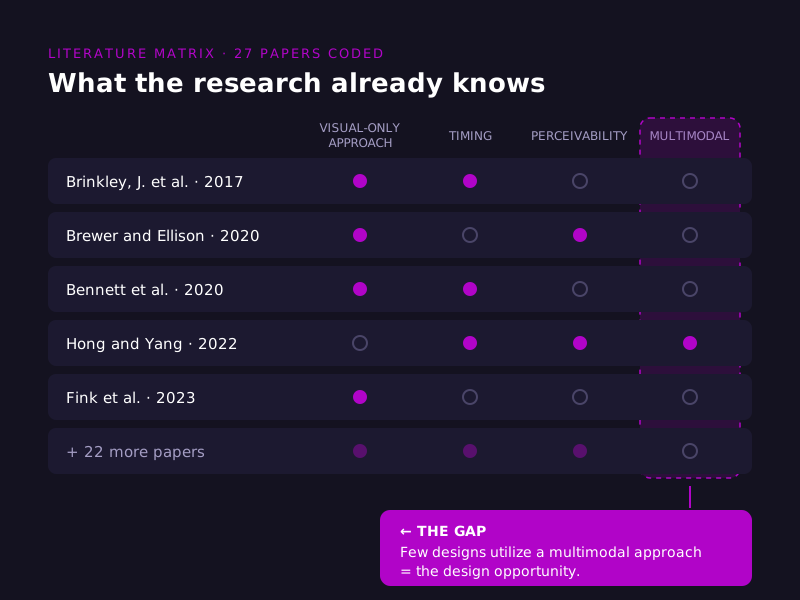
Cognitive psychology and existing literature come first. 20+ papers before a single interview.
02
Listen for the gap
Interviews, think-alouds, and field observation surface the disconnect between what people say and what they actually do. The gap is the design opportunity.
03
Design the test, not the feature
Every design decision is a hypothesis. I build wireframes and prototypes that can be falsified — not defended.
04
Measure honestly
Mixed methods: SEQ, SUS, NPS, sentiment analysis, between-subjects experiments. Including what didn't move — null results are data.
Laura Weisz

Cognitive science trained.
Behavioral therapy informed.
UX focused.

1
Peer-reviewed publication
M.S.
HCD&E, U-Michigan
4
Mixed-methods case studies

A B.S. in Biopsychology, an M.S. in Human-Centered Design & Engineering, and two years as a behavioral therapist. My research is grounded in how people think, learn, and behave.

My workflow includes AI-assisted research synthesis and rapid prototyping — documented per project — with every finding and design decision reviewed the old-fashioned way: by reading the data.

Looking for a researcher
who can also design?

Available for full-time and contract roles — especially in accessibility, AI/HMI, and behavior-change product work.

Say Hi View résumé →